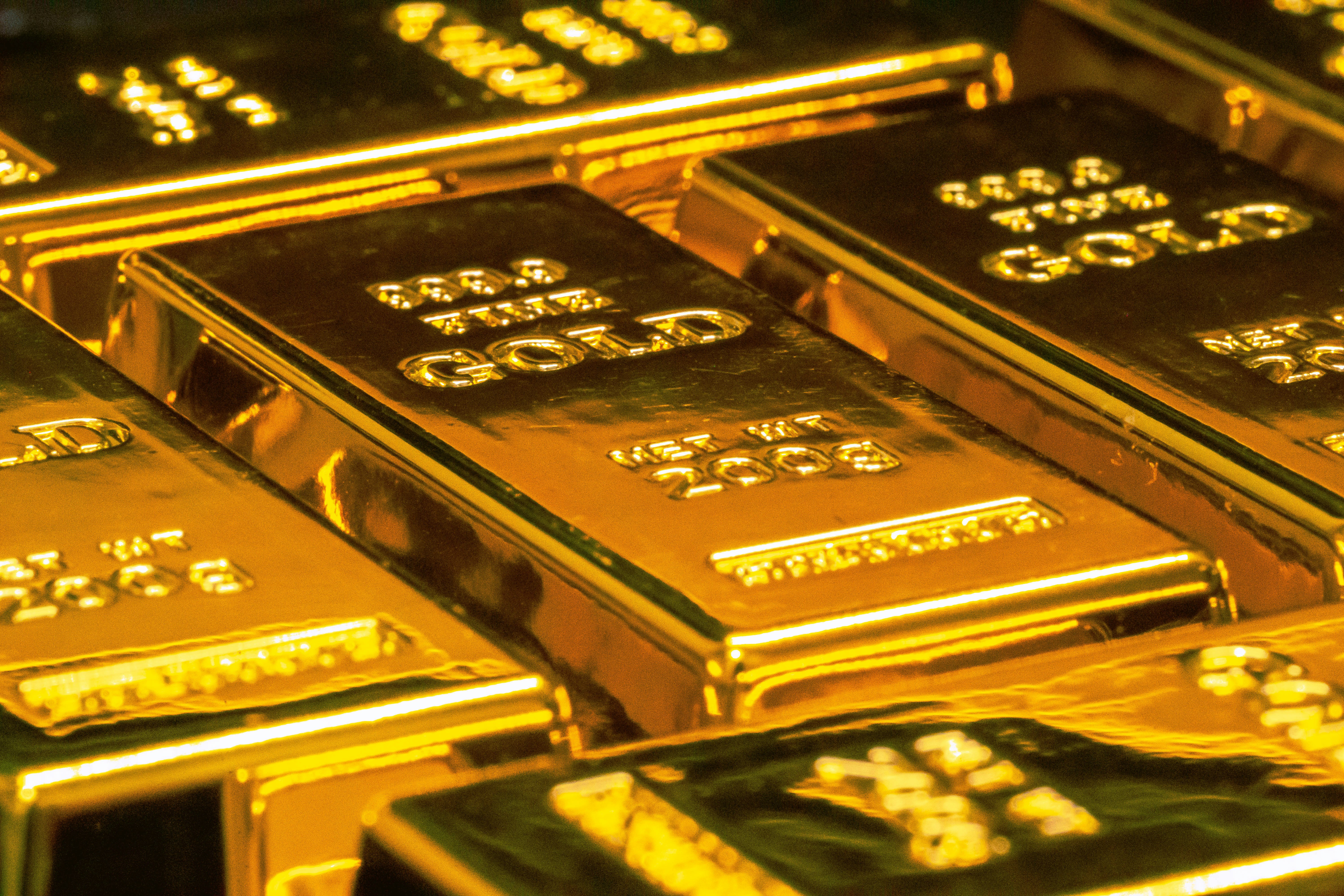
As we enter the first quarter of 2026, the global financial landscape is defined by a paradoxical mix of record-breaking markets and deep-seated structural anxiety. Gold has once again claimed the spotlight, recently smashing through the $4,600 per ounce mark, driven by a relentless appetite from central banks and investors wary of rising global debt. However, for the modern investor, the concept of a 'safe haven' is rapidly evolving to include high-performance industrial metals and resilient regional currencies.
Key Points for 2026
Gold: The Bedrock of Central Bank Reserves
In 2026, the narrative around gold has shifted from a speculative trade to a structural necessity. Central banks are the leading actors in this drama. According to recent World Gold Council data, global central banks added roughly 1,045 metric tons of gold to their reserves in 2024 alone, a trend that continued through 2025. This isn't just a defensive move; it’s an active hedge against what experts call 'fiscal dominance'—the reality of massive government deficits in major developed economies like the United States, where national debt has soared past $34 trillion.
"Gold is the only financial asset that doesn't represent someone else's liability," noted a senior analyst at J.P. Morgan this week. This sentiment explains why nations like India have repatriated over 300 tons of their gold reserves to domestic vaults in recent years to ensure total control over their assets.
The Rise of Silver and Platinum: Industrial Safe Havens
While gold offers stability, its cousins—silver and platinum—are offering something gold cannot: a direct link to the technologies of the 2030s. Silver, in particular, saw a massive 150% gain in 2025. Its use in solar photovoltaics, electric vehicle (EV) battery systems, and AI server cooling has created a structural deficit. For the fifth year in a row, the silver market is expected to face a supply shortfall, making physical silver coins and bars a highly sought-after alternative to traditional cash.
Platinum is the new 'contrarian' play for 2026. Trading around $1,600 USD, it has lagged behind gold's spectacular run, but the fundamental case is strengthening. As Europe and the US ramp up hydrogen 'gigafactories,' platinum-based PEM electrolyzers are becoming the standard for producing green fuel. For an investor looking for a hedge that also plays on the global decarbonization trend, platinum offers a unique risk-reward profile that gold simply lacks.

Beyond Gold: Currencies and Real Estate Alternatives
If you are looking to diversify away from precious metals, the currency market offers two clear winners. The Swiss Franc (CHF) remains the gold standard of safety, but the Singapore Dollar (SGD) is rapidly catching up. Analysts have labeled the SGD as 'Asia’s answer to the Swiss Franc' due to its consistent 1.5% annual appreciation against the US dollar over the last quarter-century. For investors in the ASEAN region and beyond, holding SGD provides a layer of protection against the currency volatility plaguing other emerging markets.
Furthermore, for those seeking passive income alongside safety, Real Estate Investment Trusts (REITs) have finally stabilized. After a choppy 2024 and 2025 where high interest rates battered the sector, the current cycle of rate cuts has made 'triple-net lease' REITs—those whose tenants pay all property expenses—attractive again. Companies like Realty Income (O) and Vici Properties (VICI) are currently yielding between 4% and 6%, offering a defensive income stream that typically tracks with inflation.
Conclusion: Building a 2026 Defensive Portfolio
The lessons of 2026 are clear: safety is no longer found in a single asset class. While gold provides the foundational hedge against global debt and currency debasement, the inclusion of industrial precious metals like silver and platinum allows for participation in the 'New Industrial Revolution.'
Strategic allocation today requires a blend of the old and the new. A balanced approach—combining physical gold for wealth preservation, silver for industrial upside, and stable currencies like the Singapore Dollar for liquidity—is the most effective way to navigate the uncertainties of this decade. As geopolitical tensions remain at the forefront, the ultimate safe haven is not just a commodity, but a well-diversified strategy that looks beyond the next quarterly report.